


The National Parks of Montenegro
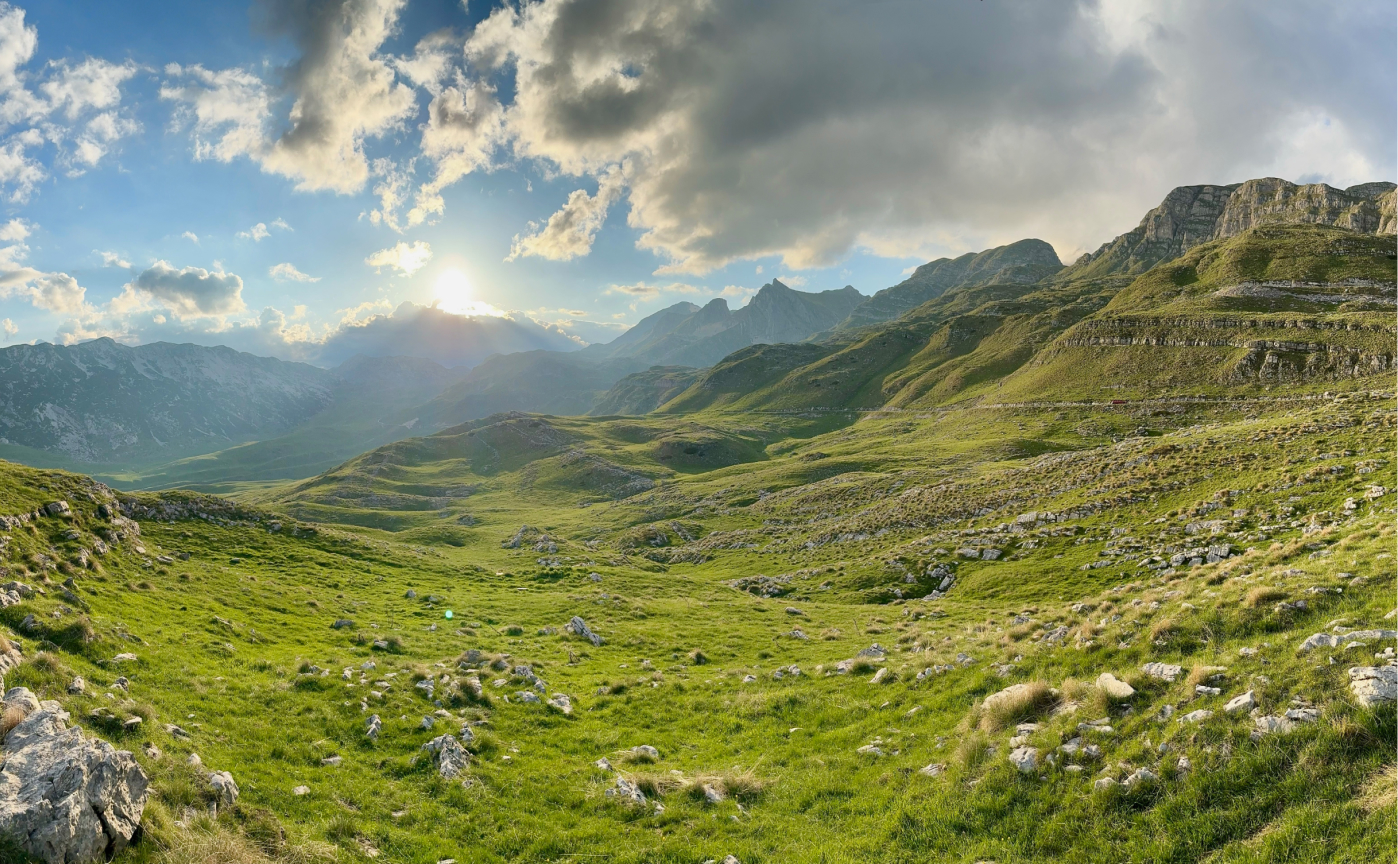
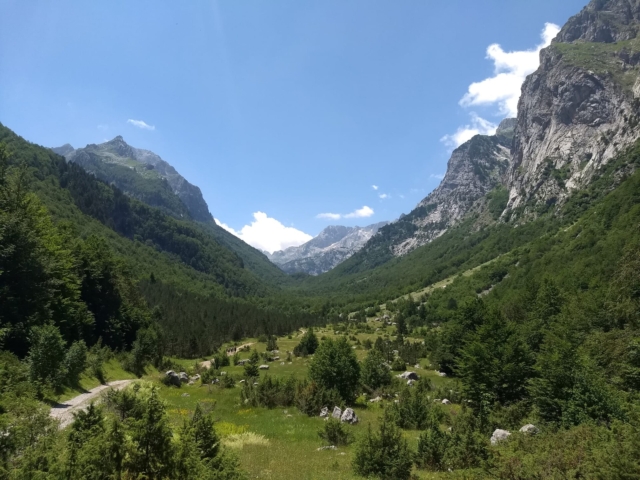
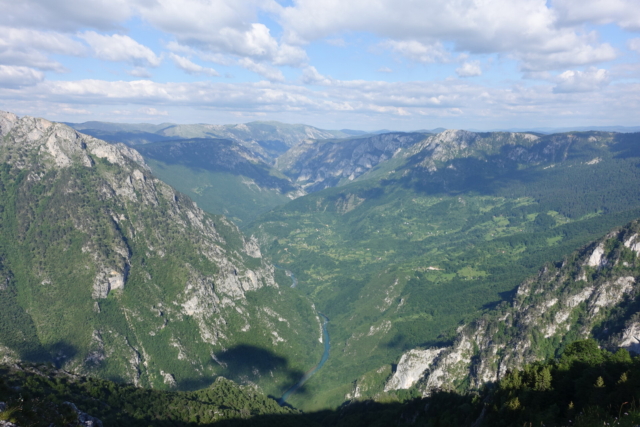
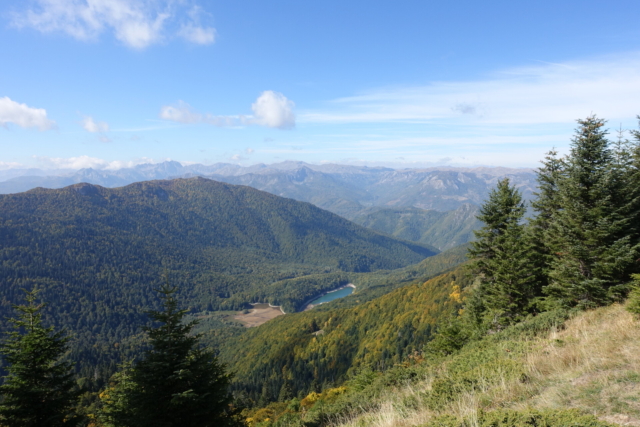
Among the many special features and superlatives that small Montenegro has to offer, the five national parks play a prominent role. Around eight percent of Montenegro’s land area has been declared a national park and is therefore subject to particularly strict nature protection. No other country in Europe can even come close to matching that. Moreover, the initiative to designate large areas of land as national parks in Montenegro is not a phenomenon that is solely due to today’s zeitgeist and is therefore relatively young in nature. Four of the five national parks were created in the 1950s, 1960s, 1970s and 1980s, at a time when very few countries in Europe and even worldwide considered nature protection to be an important task of the state. The Biogradska Gora National Park is even considered the second oldest national park in the world – just behind its much more well-known ‚counterpart‘ the Yellowstone National Park in the USA.
Accordingly, nature had plenty of time to develop relatively undisturbed under the watchful eye of the national park rangers. Favorable conditions on the one hand and significant geological, geomorphological, climatic, and hydrological differences in a very small area on the other are responsible for the seemingly incredible landscape and cultural diversity and, in particular, for the fabulous biodiversity that is unparalleled in Europe.
Impressively different from national parks in other countries
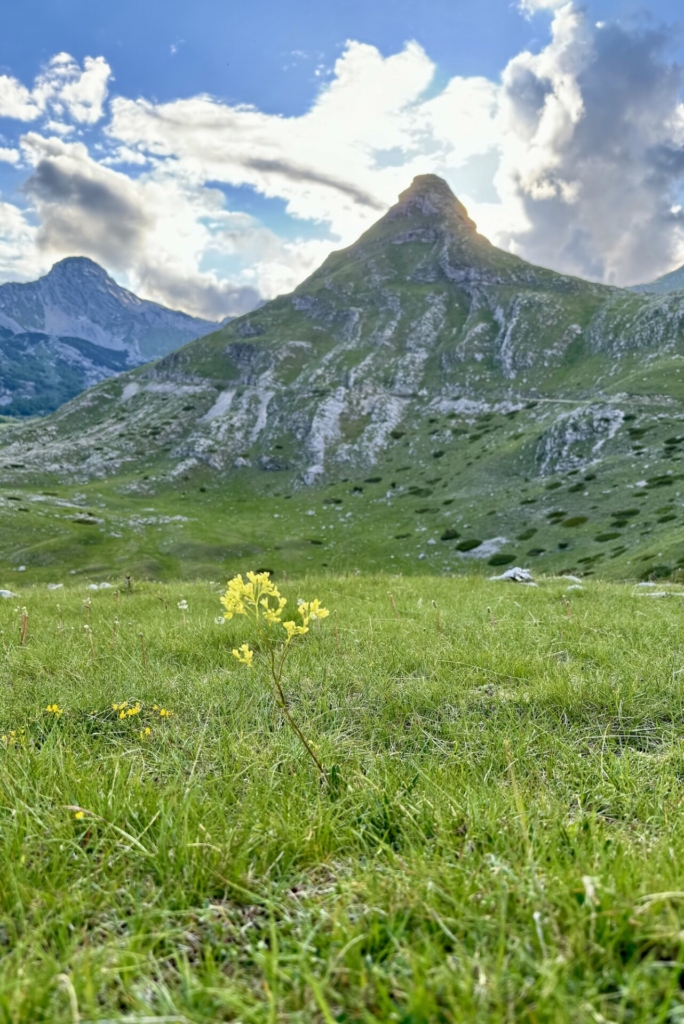
For the visitor from Central Europe, it is often surprising to find that people live in the national parks of Montenegro; indeed, small villages can be found there. Here, a very fundamental difference is evident, for example, compared to national parks in Switzerland, Austria or Germany, where there are no permanently living and economically active residents in the national parks; one even assumes that nature can only develop well and be richly diverse when humans are excluded. The Montenegrin national parks seem to prove the opposite. With regard to the species richness and biodiversity of the five national parks, hardly any other protected area in Europe can match them. Moreover, the presence of humans and their livestock, to a certain extent, even promotes species richness. However – and here lies a major difference – the five Montenegrin national parks were protected at a time when nature there still had an excellent and absolutely natural state. Such areas did not exist in densely populated and highly industrialized Central Europe at that time, so one was forced to protect still somewhat intact areas and to try to gradually and painstakingly develop them over decades into a relatively intact natural landscape. The national park colleagues in Montenegro had a much easier task there, as they had only to ensure that the existing, still intact natural landscape could develop largely undisturbed.
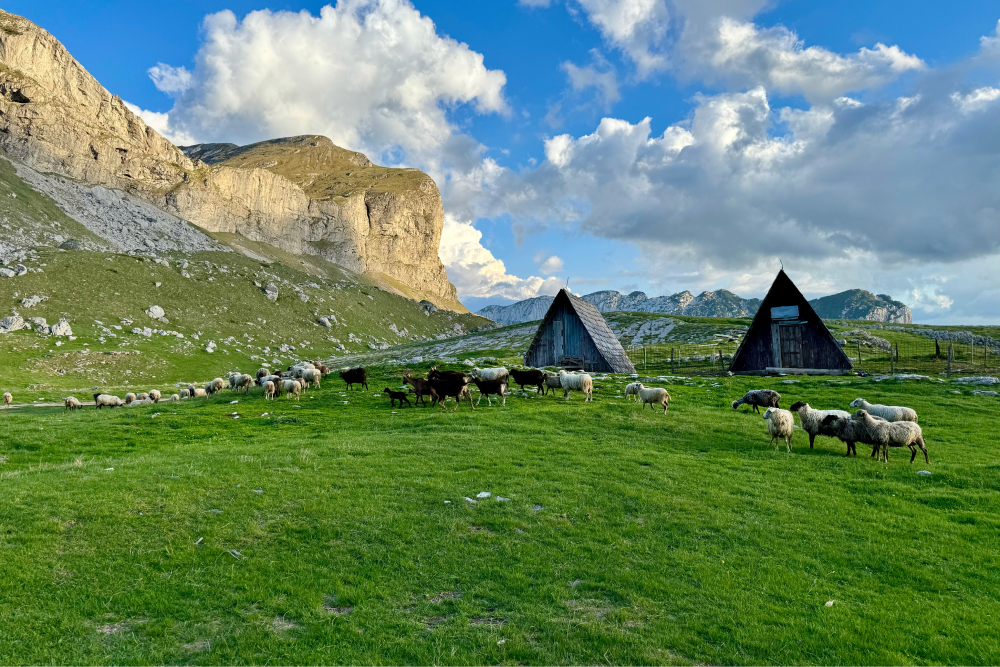
The second major difference from colleagues in Central Europe is that the national parks are not located like islands in an intensively managed ‚cultural steppe‘, but the surrounding land is qualitatively hardly different from the national parks.
Today, the challenge for the Montenegrin national parks is to preserve the outstanding quality of nature in the protected areas while at the same time providing as comprehensive and exciting an overview as possible for the now quite numerous visitors. A balancing act that so far seems to work quite well.
In the old travel guides from the 1970s and 80s, you will find all the existing parks today described, with the exception of the Prokletje National Park, which was only established in 2009. However, until about 15 years ago, the national parks of Montenegro hardly played a role in terms of tourism. That has now changed considerably. In addition to the beautiful coast of Montenegro, the five national parks are now among the main attractions for tourists – especially for Central European tourists, who, unlike on the beaches of Montenegro, make up the largest group of visitors here. However – and to put this statement into a more realistic context – all five national parks were visited by around 400,000 people in the successful tourism year of 2023. That sounds like crowds, but it is less than half as many visitors as the Black Forest National Park alone records in a year, even though this covers less than a tenth of the area of Montenegro’s five national parks.
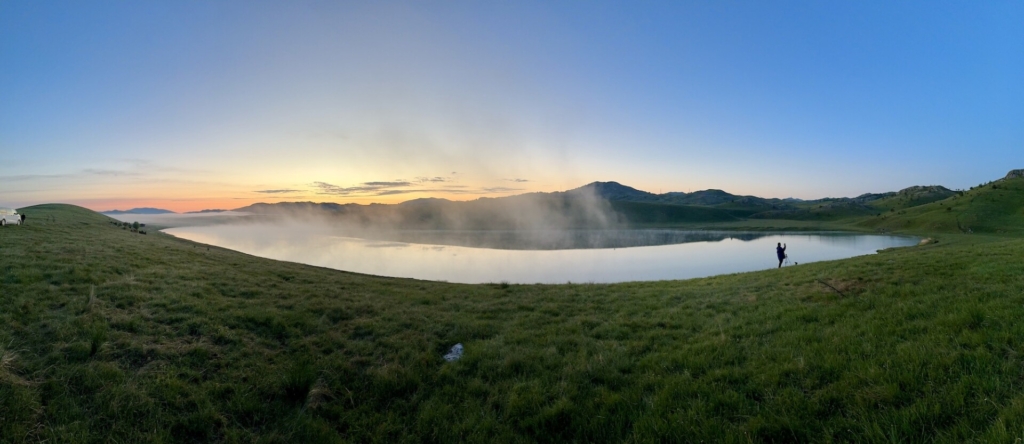
General information for visitors:
Since Montenegro traditionally has a very pronounced tourist season, July and August are the two months with the highest visitor numbers in the national parks. Those who have the opportunity to visit the five parks in May, June, or later in September or October will take home a different impression of the place than those who are limited to the main season. Nevertheless – even a visit during the high season is worth it in any case, just to avoid the rather high temperatures in the lowlands and on the coast in summer, but also to see a completely different side of Montenegro, which seems to have little in common with the coast. Experts rightly say that anyone who has not seen the hinterland of Montenegro has not seen Montenegro.
Apart from the Biogradska Gora National Park, all national parks are open all year round. Only the Biogradska Gora National Park is officially closed during the winter months due to the then problematic access and the lack of snow removal equipment. However, it is possible and allowed to enter the national park at your own risk, which makes this a very special experience during this season, especially when done in snowshoes.
After the tourist infrastructure in and around the five parks has improved significantly in recent years, the national parks have become year-round destinations that have something special to offer all year round and are therefore always worth a visit.
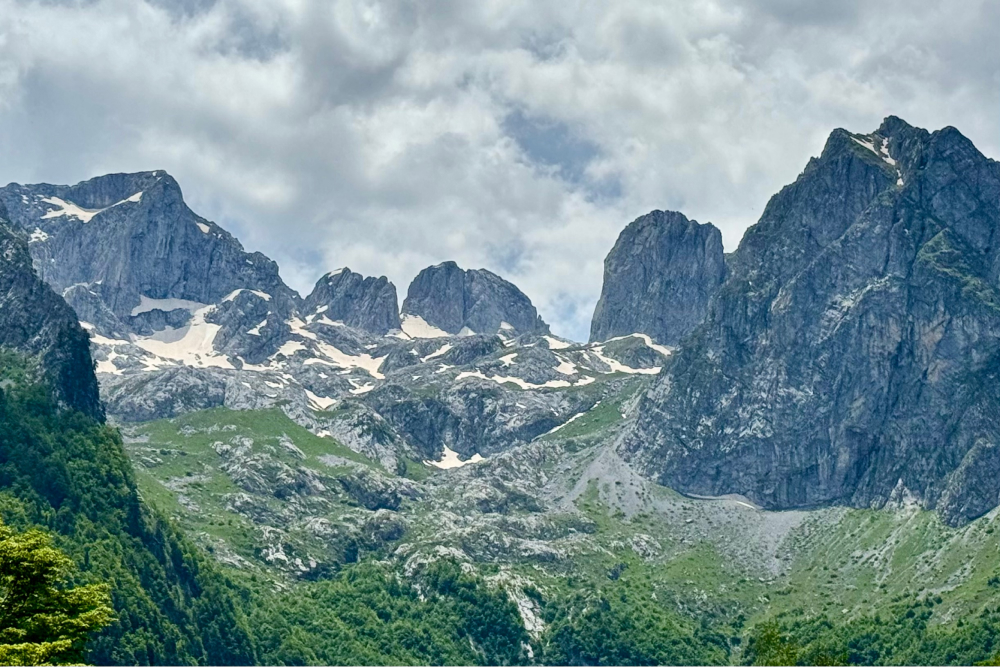
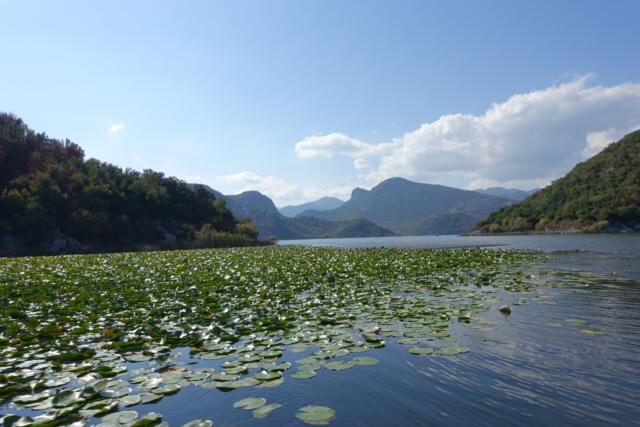
During the snow-free months, hiking is naturally the main activity in the four “mountain national parks”. In addition, cycling has also gained in importance. The Skadar Lake National Park, which is located just above sea level, also offers hiking opportunities. However, during the hot summer months, this is not always just about enjoyment, so one should consider the diverse activities that take place on the significantly cooler waters.
While in the four ‚Mountain Parks‘ ski tourers and snowshoe hikers often find fantastic conditions in winter, at Skadar Lake this time of year one often finds even better conditions for hiking, cycling or kayaking than during the main travel season in the summer.
Dogs can be taken into all five parks without any problems. However, a leash is required.
The National Park Administration also manages and develops the Botanical Garden in Kolasin and the saltworks in Ulcinj, which is currently protected as a nature park. Both are exceptional and worth visiting destinations in Montenegro, which is full of outstanding sights.
How do I get there?
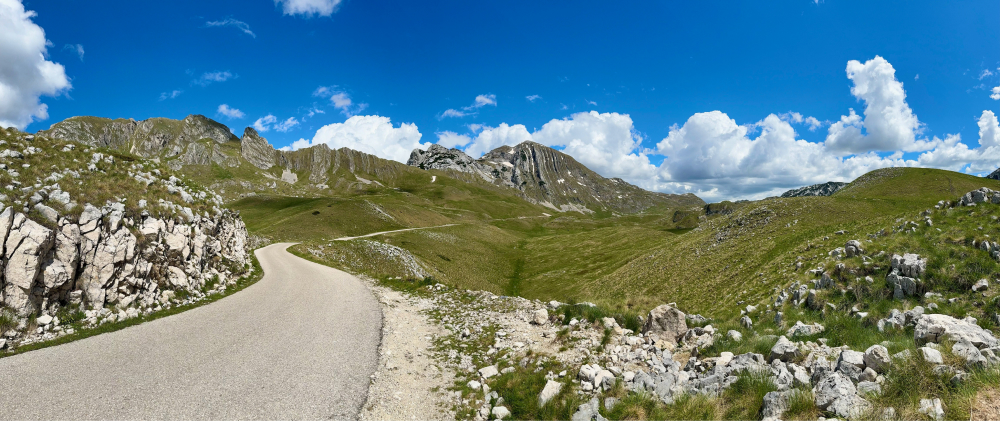
Although public transport in Montenegro has gradually improved in recent years, owning a car or motorcycle, renting a car, or traveling by camper van is still the best way to easily, quickly, and flexibly visit the national parks in Montenegro. The distances are so manageable that you can often see the neighboring national parks from afar. Therefore, it is also advisable to visit several national parks in succession. Despite the spatial proximity, one should not underestimate the time required for this. A week is the minimum to get even a superficial impression of the five national parks.
By combining panoramic roads No. 1 “The Crown of Montenegro” and No. 3 “The Mountains and the Sea”, you can experience all five national parks, including the Botanical Garden in Kolasin and the saltworks in Ulcinj, one after the other on the “most beautiful possible” route.
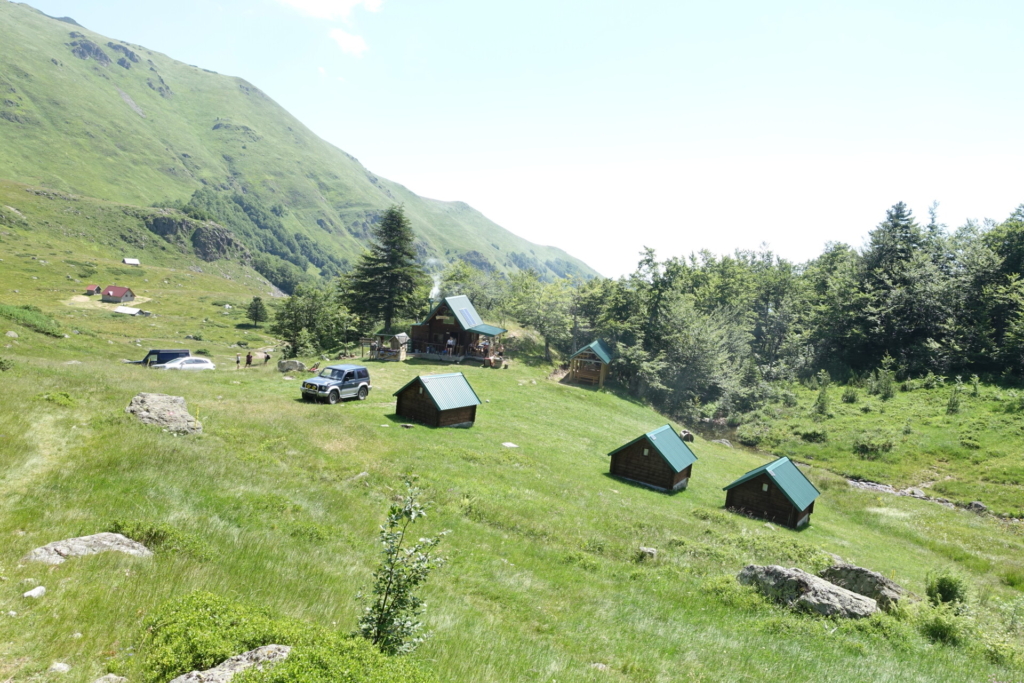
There are now plenty of accommodation options along the route and near the parks. Some of the parks also offer accommodation for campers and motorhomes, as well as small self-catering huts to stay overnight.
For those who want to spend the night in keeping with the theme – locally, close to nature, environmentally friendly and offering excellent local cuisine, the brochure “Staying in the Countryside in Montenegro” is recommended. Here you will find authentic local accommodation options both near the national parks and along the connecting routes between the parks.
For National Park visitors who want to travel especially environmentally friendly by public transport from park to park, it is true that it is possible and increasingly being done as well, but still a little patience, improvisation, and a few short walks to the park entrance (which can also be done by inexpensive taxis) are required. For this, traveling by public transport in Montenegro is unbeatable in terms of price and very communicative. See: https://busticket4.me
Unlike in Germany, for example, Montenegro’s national parks are financed primarily through their admission fees, which, unlike in neighboring Croatia, are still at a very affordable level. For those who plan to visit several parks, the annual ticket for the national parks is recommended at 13.50 euros, which pays for itself after just a few visits.
The entrance tickets can be purchased either on-site or online now: https://nparkovi.me/en/online-tickets-2
Anyone who would like to delve deeper into the subject of national parks can find a range of different publications on the topic in the information centres of the national parks. Some additional information can also be found on the website of the national park administration: https://nparkovi.me/en