
Biogradska Gora National Park
The smallest and oldest national park in Montenegro, the Biogradska Gora was established in 1952 and is located in the northeastern part of Montenegro about 100 km from the capital Podgorica. It is located in the central part of the Bjelasica mountain range, between the rivers Tara and Lim. The today 5,650 ha large national park was partially protected by King Nikola in 1878 and is therefore considered the second oldest protected area in the world after Yellowstone National Park in the USA. Administratively it belongs to the municipalities of Kolašin, Mojkovac and Berane.
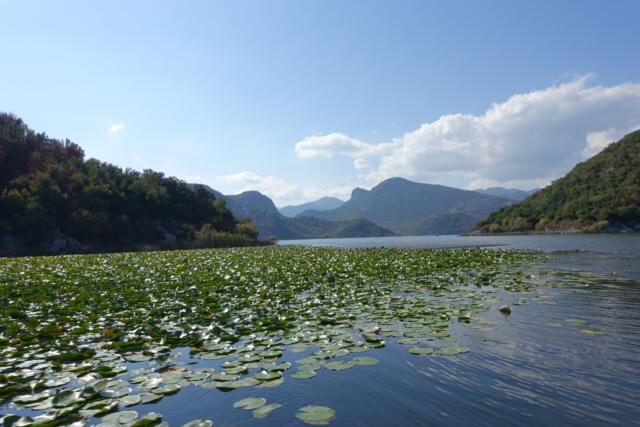
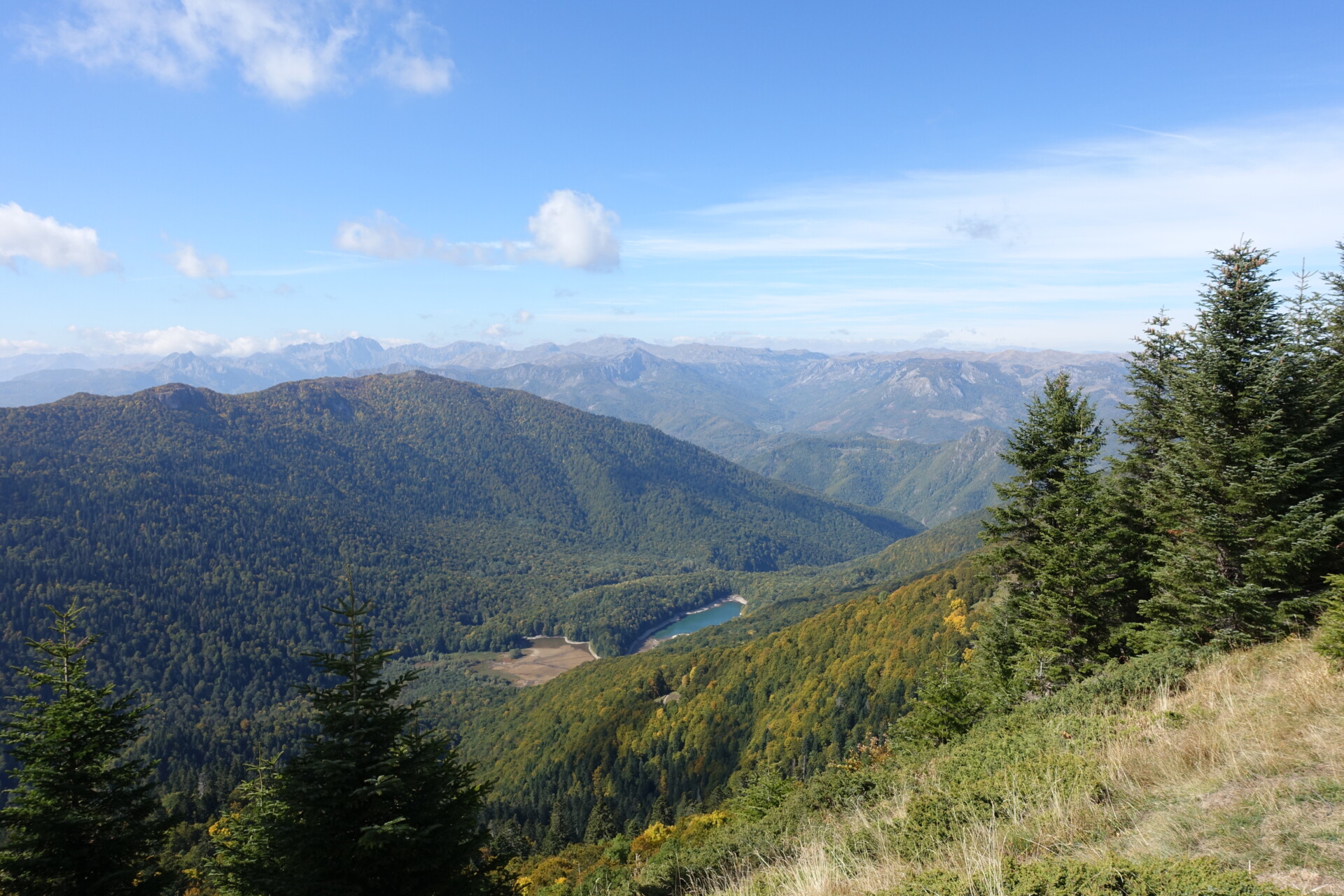
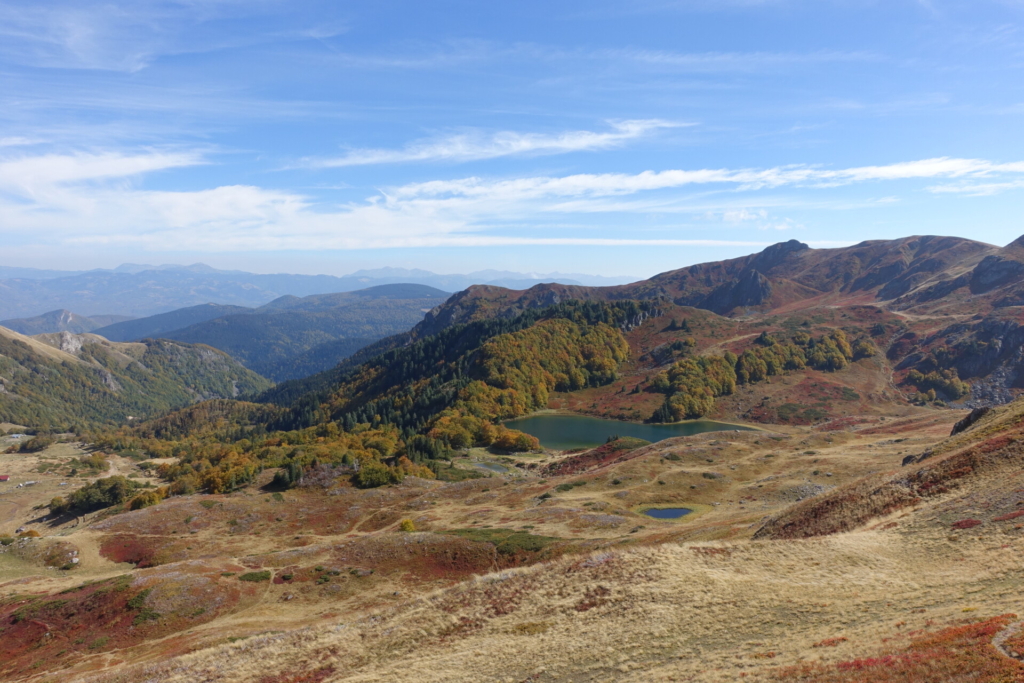
Ancient forests, meadows, mountain meadows, mountain pastures, streams and especially the centrally located Lake Biogradsko characterize the park. In addition, there are three other high-lying smaller lakes in the Biogradska Park, the three glacier lakes Pešić, Ursulovačko, and Šiško.
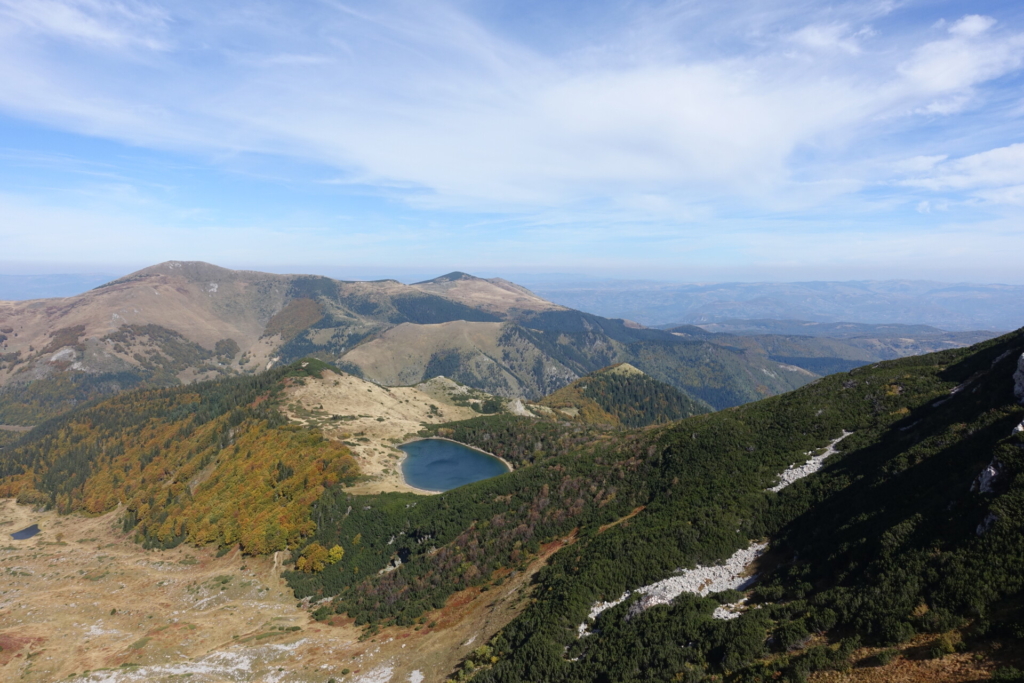
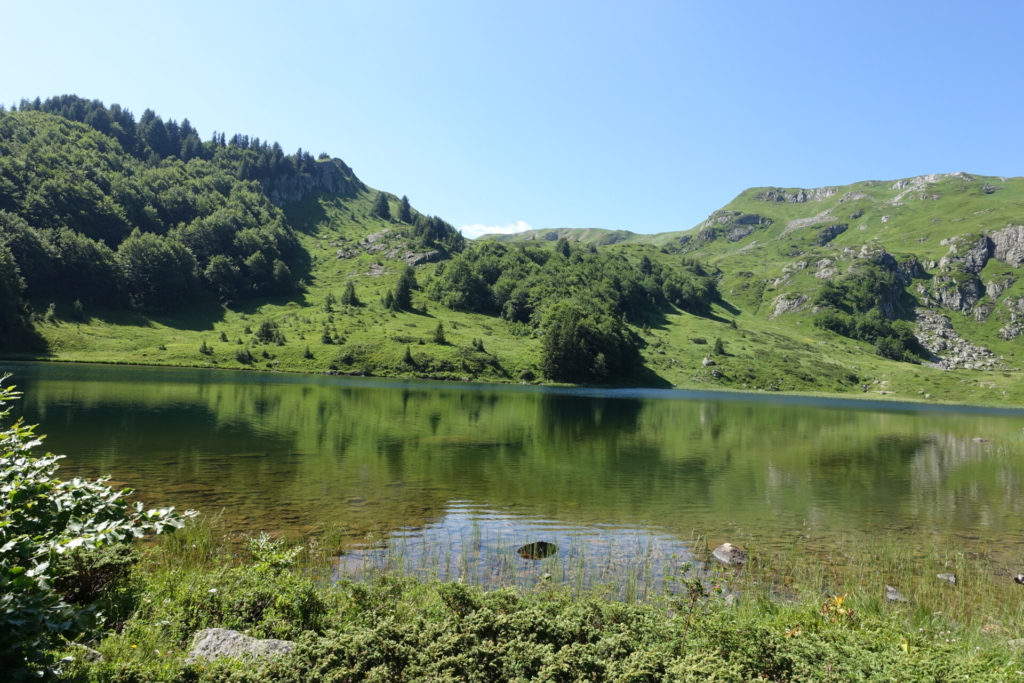
At the heart of the National Park is the large beech forest nature reserve in the valleys of the two mountain streams, Biogradska and Jezerštica. This approximately 1600 ha large forest area is one of the oldest nature reserves in the world and is locally known under the names “Knjažev zabran” or “Branik”.
The park is home to numerous endemic plants and many specific habitats, which is why the Biogradska Gora National Park is also recognized internationally as an ‚Important Plant Area‘.
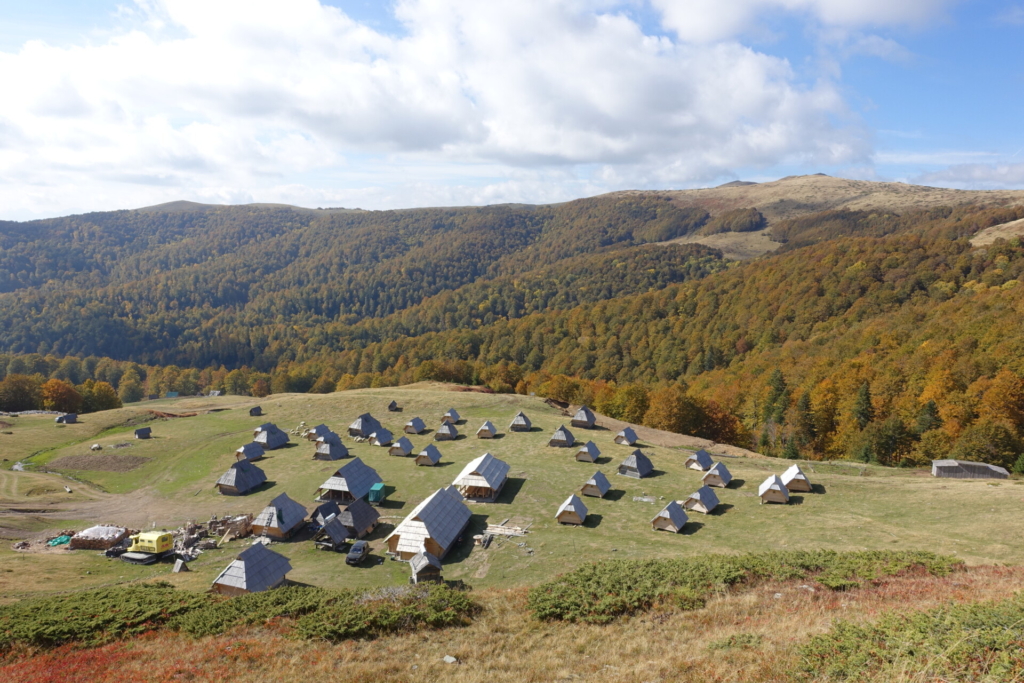
It is also interesting to visit the ancient Katuns that lie above the tree line. Some of them are still in operation and also offer simple meals and accommodation for guests.
Nature
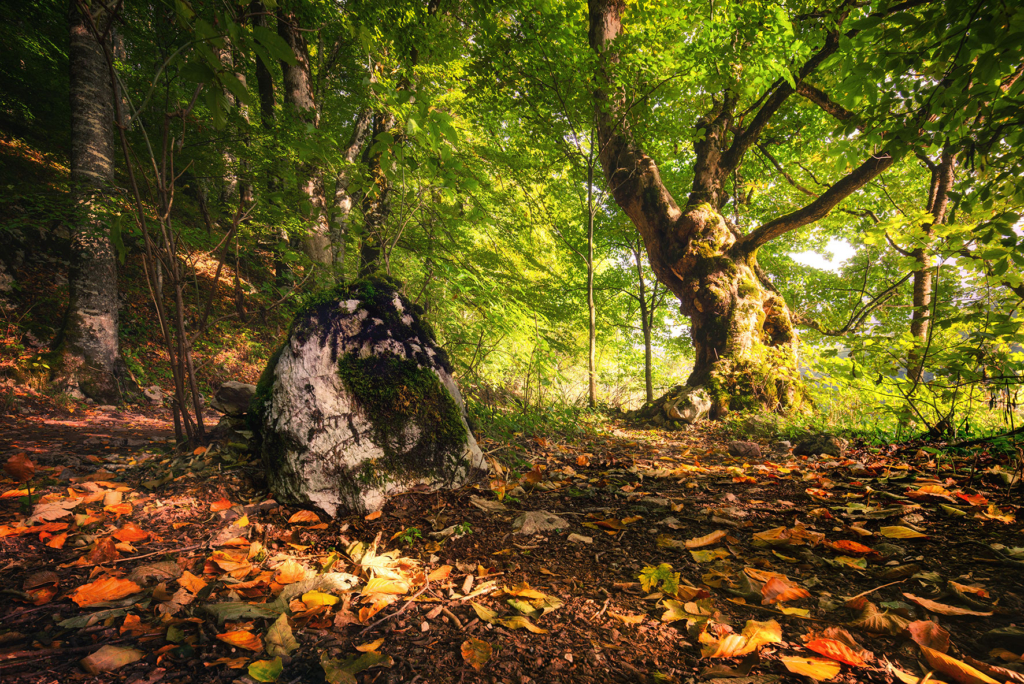
Flora
The Bjelasica mountain range forms a special biogeographic and ecological unit in which the originality of nature has largely been preserved to this day due to its inaccessibility and extensive use.
Forest ecosystems make up the majority of the area, followed by meadow and pasture ecosystems, mountain meadows, alpine meadows, and some aquatic ecosystems, such as the glacier lakes with their diverse flora.
The existence of 26 plant communities with approximately 2000 species and subspecies of vascular plants was proven here, including no fewer than 20% of the endemic plants of the Balkans.
The beech forest in the ravines of the two rivers Biogradska and Jezerštica has been able to develop undisturbed over the centuries and covers an area of 1,600 hectares. Some parts of this area are completely inaccessible.
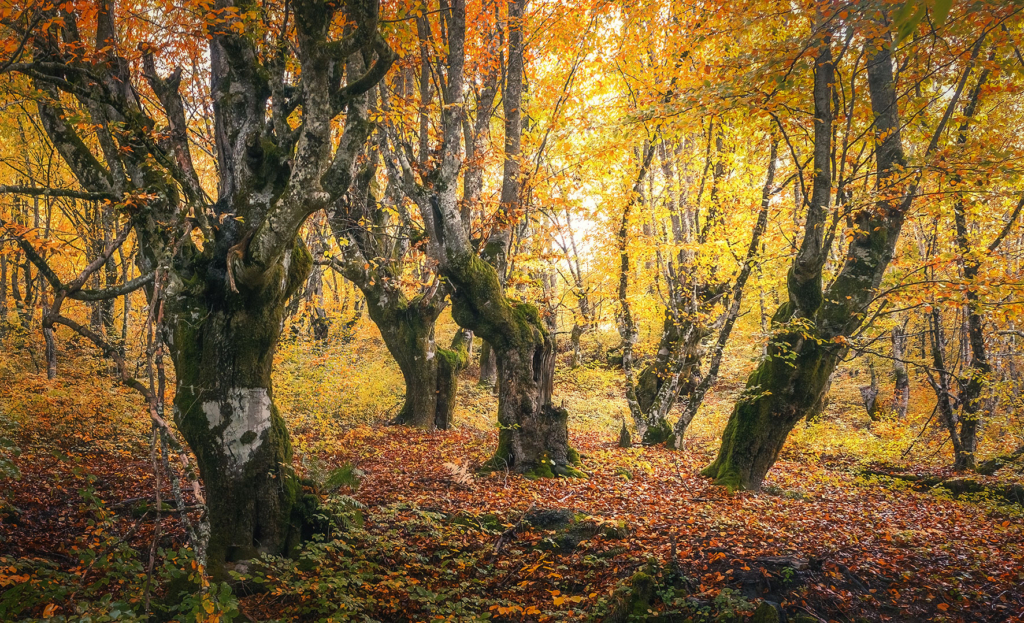
The forest in the park is divided into 16 forest communities (mainly beech and beech-fir forests) with more than 220 plant species and about 90 tree species.
The most common tree species are beech, fir, spruce, maple, European ash, elm and alder.
The age of individual trees in the rainforest was estimated at over 400 years, and some of them are between 40m and 60m high.
Within the diverse plant communities of the National Park, some endemic and rare species hold a very special place. These include, for example, Carpathian pink, amethyst squill, alpine thrift, European globeflower, Madonna lily, Reichenbach's iris, blue sow-thistle, and many more.
Fauna
The biodiversity of the animal world in the Biogradska Gora National Park is of importance not only for the Balkans but also for the whole of Europe. Numerous laws protect the many endemic animal species, some of which are considered glacial and even tertiary relics.
The amphibian fauna includes, among others, the fire salamander, Alpine newt, pygmy marbled newt, yellow-bellied toad, tree frog, green frog and common toad. The nationally protected reptiles include the European pond turtle, common wall lizard, rock lizard, Mosor rock lizard, sheltopusik, grass snake, dice snake, Aesculapian snake, meadow viper, etc.
The local fish fauna includes, among others, brown trout, grayling, huchen and European bitterling.
There are approximately 200 bird species, such as finches, blackcaps, nuthatches, golden eagles, northern goshawks, peregrine falcons, common buzzards, ravens, kestrels and the pygmy owl in the national park.
Typical mammal species are wolf, brown bear, fox, wildcat, badger, roe deer, squirrel, European pine marten, weasel, forest dormouse and otter.
Culture
The region has a very eventful history. Numerous place names in the area of Biogradska Gora bear witness to the various nations and cultures that left their cultural, historical and ethnographically valuable heritage here over the millennia.
There are several archaeological sites in the area of Bjelasica, the most famous of which is the former village of Brskovo located slightly outside the current park boundaries and its immediate surroundings. From remains found in the medieval town of Brskovo, it can be concluded that silver mining already existed here in the Middle Ages and that the village, now overgrown with vegetation, must have been an important trading centre.
Above the tree line in the National Park there are several old katuns/mountain pastures, some of which are still operated in the traditional way to this day.
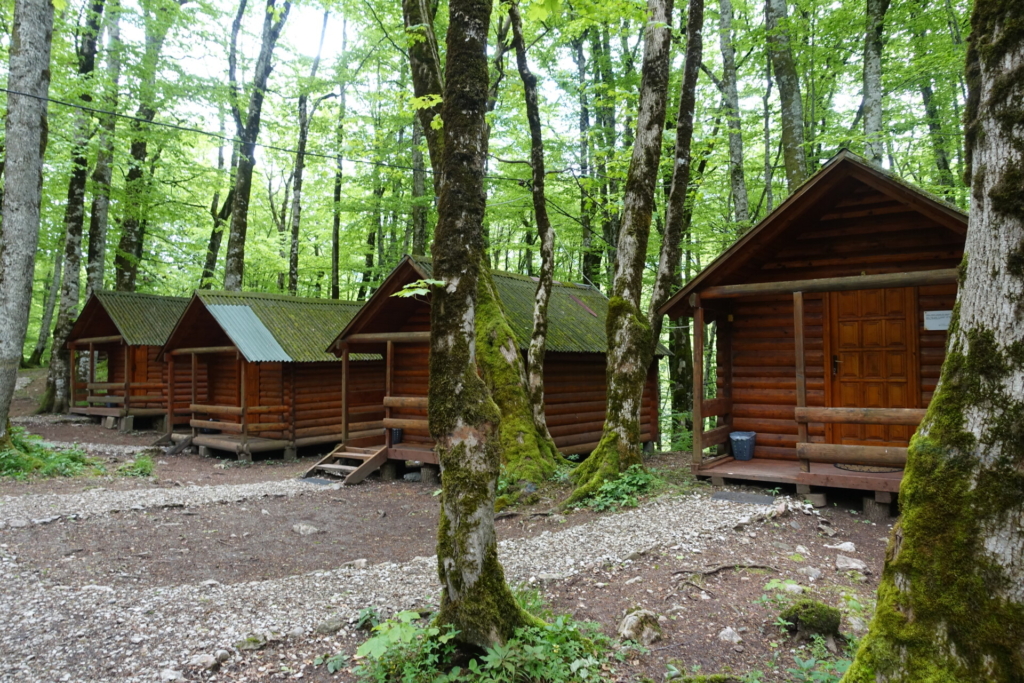
The katuns consist of log cabins and smaller huts that were built from the natural materials available locally, such as wood, stone and straw.
Some Katuns have adapted to the growing tourism in the region and offer simple, country-style cuisine and accommodation in limited numbers.
Tourism
Due to its beautiful, varied and easily accessible natural landscape, the Biogradska Gora National Park offers ideal conditions for outdoor activities of all kinds. Hiking is the main focus, but conditions for mountain biking are also good thanks to the many trails that run between the Katuns. Aside from the simple walk around Lake Biogradsko, there are definitely several meters of elevation to climb.
Visitor Centre
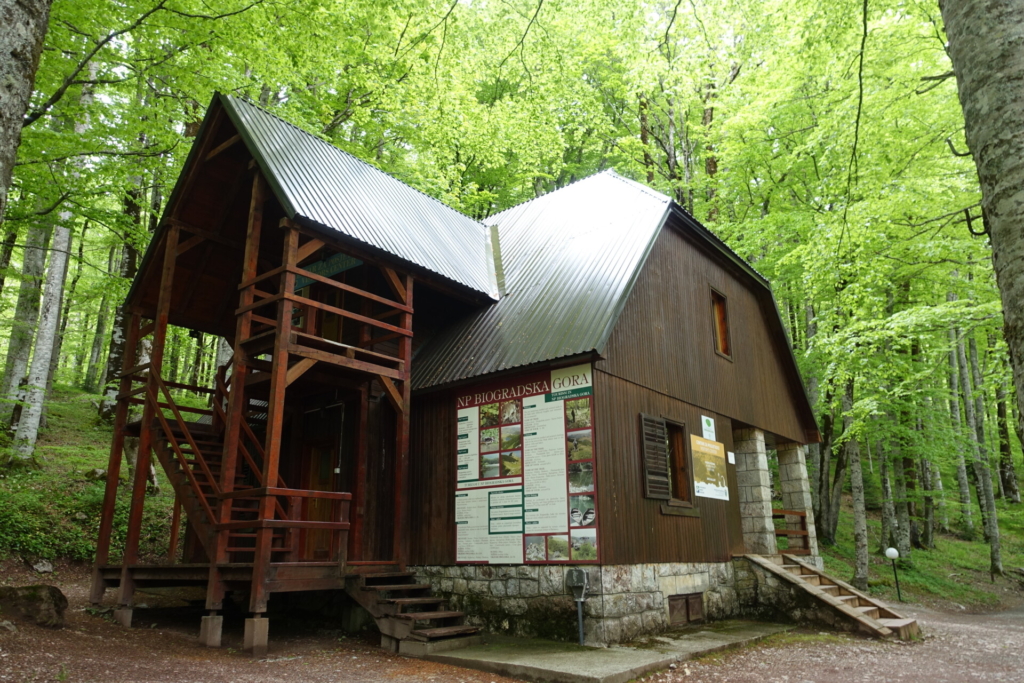
The visitor centre is located on the shore of Biogradsko Lake. Here, visitors have the opportunity to learn about the traditional way of life and the rich cultural heritage of this mountain region through ethnographic exhibits.
In the immediate vicinity of the information centre there is a souvenir shop with locally handmade products, souvenirs, hiking maps, and various publications about the region.
Opening hours:
- In May, September and October: daily 9:00 – 17:00
- In June, July and August: daily 9:00 – 19:00
Hiking
Six mountain hiking trails are marked with the standard national red-white-red markings. They lead to one of the highest mountain peaks in the region (Crna Glava/Black Head), Troglava/Three Heads), Zekova glava/Zeko-Head) and to the glacier lakes (Biogradsko Lake, Peia Lake and Ursulovac Lake).
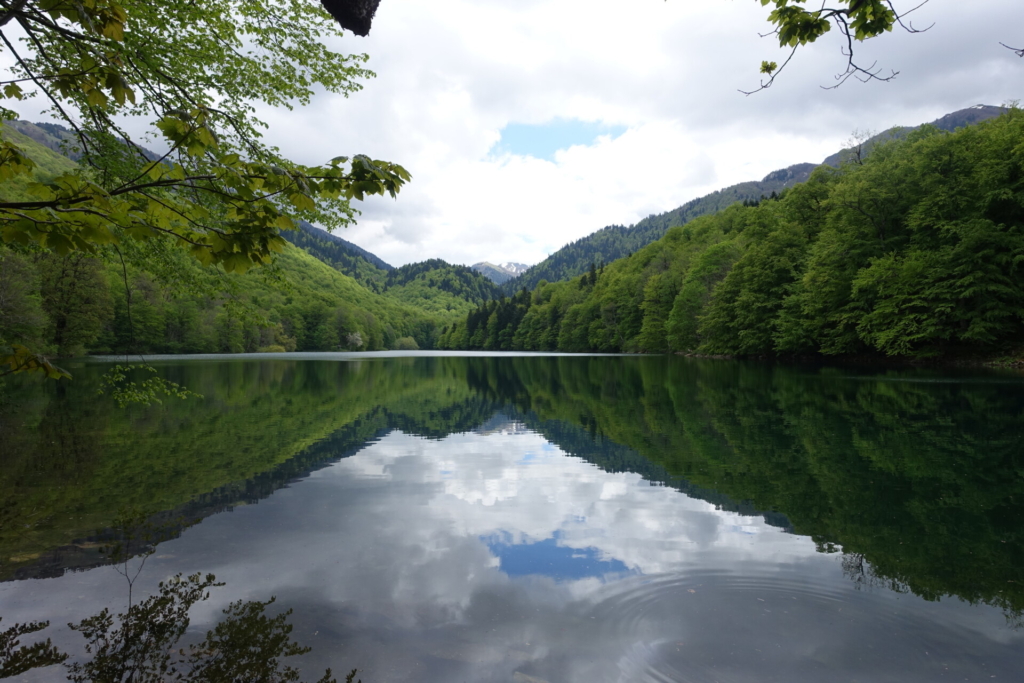
The educational trail around Lake Biogradsko (length 3.3 km, walking time 40 minutes, round trip) is the most visited route in the park. It winds along the shore of Lake Biogradsko, through a beech-fir forest and over the mouth of the Biogradska River. There are six interactive stations on the route that are intended to provide information about the flora and fauna in the area.
The National Park Administration recommends the following hiking trails:
Šiško – Katun Šiško – Ursulovac – Crna glava/Black Head – Zekova glava/Zeko Head – Vranjak (Length approx. 18 km, walking time 4 hours, easy) – The path connects the two Katuns Šiško and Vranjak and passes by the glacier lakes (Big Šiško Lake, Ševarine, and Ursulovac Lake) to the mountain peaks (Crna glava/Black Head, Troglava/Three Heads, Zekova glava/Zeko Head).
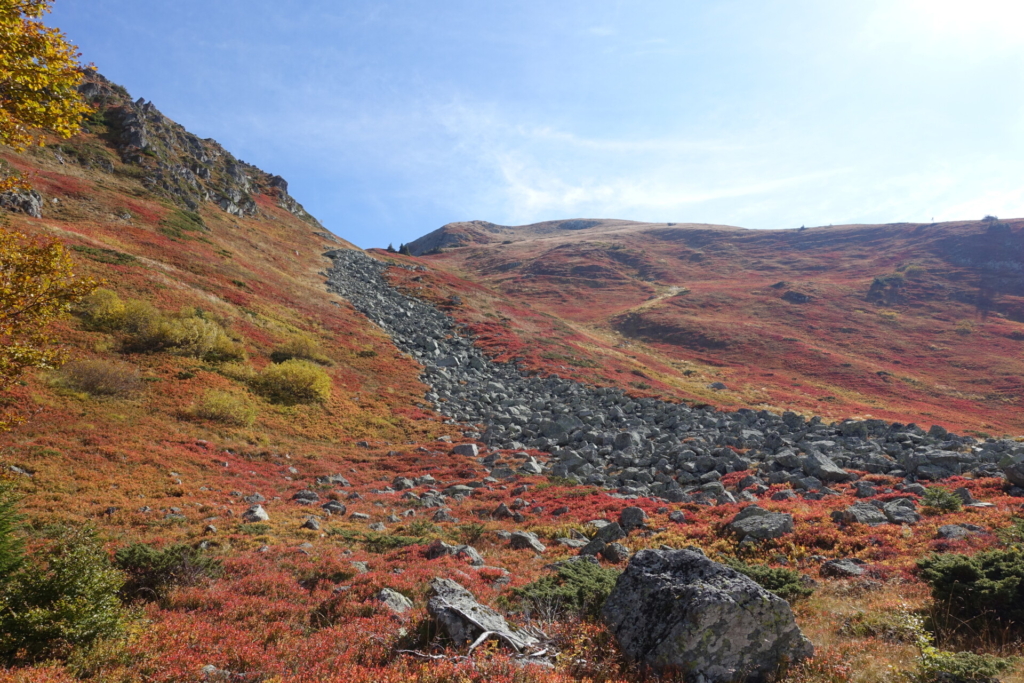
Bjelojević River – Laništa – Jarčeve strane – Katunina – Biogradsko Lake – Bendovac – Dolovi – Svatovsko groblje – Jusin brijeg – Provalija – Crna glava – Pešić Lake – Jelovica (Length approx. 35 km, walking time at least 8 hours, easy) – The first section of the path from Biogradsko Lake to Bendovac – Dolovi (Length approx. 9 km, walking time 2 hours and 40 minutes, easy) runs on the “Summer in the Katuns – where do our traditional products come from?“ themed trail. The path continues to the Bendovac panoramic view with a view of the Biogradsko Lake and the Dolovi Lalević Katun.
Mountain biking
The National Park Administration recommends the following MTB route:
Tour “Two Hills and Five Lakes” (Length 63 km, travel time 8-9 hours, circular route) – This route is a beautiful but also physically demanding circular route for mountain bikers in the National Park. It leads along Biogradsko Lake to Dolovi Lalevié – Svatovsko groblje – Jusin brijeg – Savina bara/Savo Pond, to the mouth of the river Biogradska to Jaganseske rupe, remains below Zekova Glava and Troglava to Katun Vranjak and then leads back up the mountain to Zekova Glava, then ascent to Crna Glava (with a view of the Peia Lake) to Galica (with a view of the Ursulovačko Lake) to the Suvodo mountain hut – Jezerine – Katun Suvodo – Katun Šiška to the lake of Ivarina – Reljina – Jusin brijeg and back to Biogradsko Lake. Carry enough food and water!
Panoramic views
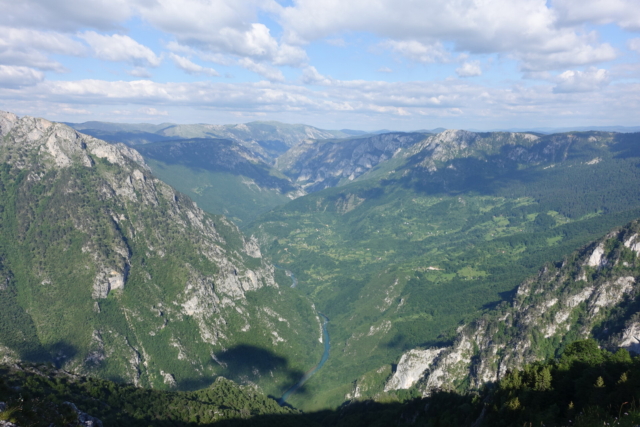
There are numerous viewpoints in the National Park that offer a fascinating panoramic view of glacier lakes, centuries-old forests, meadows, and peaks.
The National Park Administration recommends the following panoramic views:
Bendovac (1,774 m altitude) with a view of the Biogradsko Lake and the rainforest that surrounds it.
Zekova Glava (2,117 m altitude) above the Peia Lake, surrounded by the mountain peaks of Crna Glava, Borova Glava and Cmiljeva Glava.
Crna Glava (2,139 m altitude) is the highest peak of Bjelasica with a view of Pešić Lake and Ursulova Lake.
Boating and kayaking
Visitors who wish to go boating on the Biogradsko Lake can rent wooden boats and kayaks with the necessary equipment from the park administration in the souvenir shop.

Fishing
Fishing is only allowed on the Biogradsko Lake with a fishing license and a fishing rod with artificial baits. The fishing license can be obtained from the park administration. The Tara River along the Biogradska Gora National Park is known for its fly fishing opportunities. Fishing licenses are available from the park administration. The principle of “catch and release” applies here. Further regulations regarding the catch limit, size etc. must be requested from the park administration or the on-duty ranger on site.
The Biogradska Gora National Park also includes two facilities of the National Park that are located outside the park boundaries in the municipality of Kolasin.
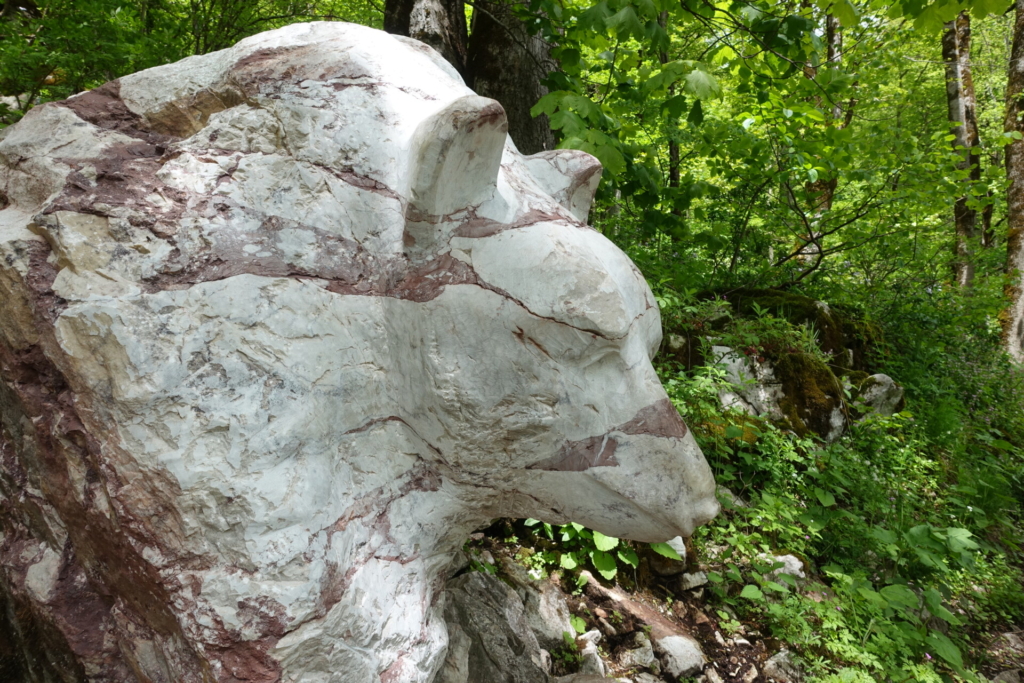
In the centre of Kolasin there is a small permanent exhibition of the National Park dedicated to the European brown bear.
On the outskirts of Kolasin is the Botanical Garden, where its founder, the botanist and mountaineer Daniel Vinzek, collected 350 plant specimens from the Montenegrin mountain world over four decades – many of which are endemic.